2 Oct 2026
Subscription Systems and Blackjack Insight Sharing in Pioneering Online Gaming Networks

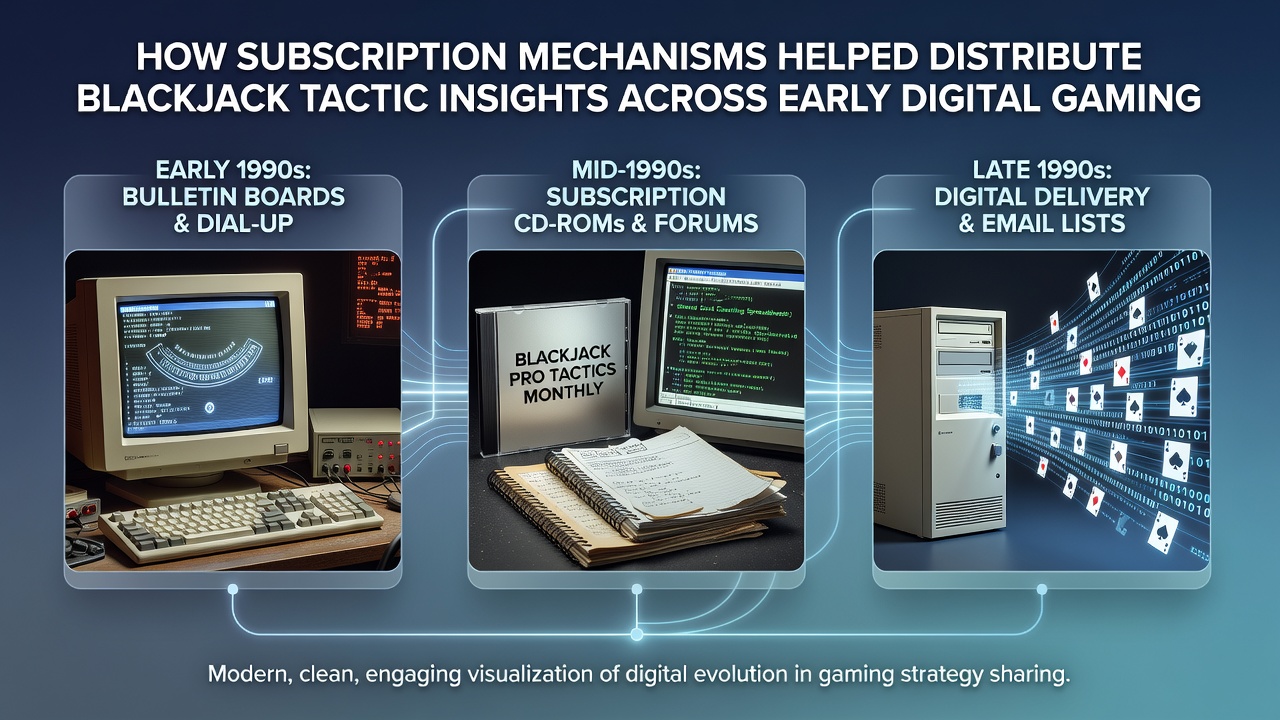
Early digital gaming communities emerged in the 1990s through bulletin board systems and Usenet groups where enthusiasts exchanged information about casino games including blackjack and observers note that subscription mechanisms quickly became central to organizing access to specialized tactic insights. Those who participated in these networks paid monthly fees to join private mailing lists or closed forums and this structure allowed contributors to compile detailed charts on card counting methods along with probability tables while restricting distribution to paying members only.
Foundations of Paid Access Models
Subscription services started as simple email newsletters sent by individuals who tracked casino rules across multiple venues and researchers have documented how these lists grew from dozens to thousands of subscribers by the mid-1990s because members received regular updates on rule variations that affected basic strategy calculations. Data from archived forum records shows that operators charged between five and fifteen dollars per month and in return delivered spreadsheets plus video tutorials that explained deviation strategies for single-deck and multi-deck games. This payment model created sustained revenue streams that funded deeper analysis while maintaining archives of past issues for new members to review upon joining.
Community Growth Through Structured Delivery
Digital communities expanded when subscription platforms integrated discussion boards alongside the paid content and participants exchanged questions about specific shoe compositions or dealer behaviors in threads that remained visible only to active subscribers. Academic studies from Canadian universities have examined these closed environments and found that the combination of financial commitment and regular delivery encouraged consistent engagement because members anticipated fresh tactic refinements each week. Operators further supported growth by offering tiered subscriptions where basic access covered core charts and premium levels included live chat sessions with experienced counters who demonstrated real-time decision making during simulated sessions.
Technical Tools and Insight Preservation
Software tools developed within these subscription circles allowed members to simulate millions of hands and export results directly into shared databases and evidence from industry reports indicates that such automation accelerated the refinement of tactics like insurance correlation and true count conversion. By October 2026 digital archives maintained by several long-running services continue to host these original datasets and new researchers access them through revived subscription portals that preserve the original file formats from the 1990s era. The mechanisms ensured that insights survived platform migrations because paid accounts granted perpetual download rights rather than temporary links that expired after a set period.
Regional differences appeared when European operators adapted the model to local regulations and data from Australian gaming research centers reveals that subscription forums there emphasized multi-player strategy adjustments suited to tables with different penetration rates compared to North American variants. Payment processing evolved alongside these communities as operators adopted encrypted gateways that protected subscriber identities while still permitting anonymous usernames within the forums themselves.
Challenges and Adaptations in Distribution
Security concerns arose when non-paying users attempted to share screenshots of restricted materials and community moderators responded by watermarking every distributed chart with unique subscriber identifiers according to records preserved in university collections. This adaptation maintained the integrity of the subscription model because identification markers allowed operators to revoke access for violators without disrupting service for compliant members. Over time the same systems incorporated mobile delivery options that sent daily tactic reminders directly to early smartphones and this shift kept engagement levels steady as internet access moved beyond desktop computers.
Long-Term Impact on Knowledge Networks
Subscription mechanisms ultimately created durable repositories that later open-source projects referenced when building public blackjack simulators and figures from European trade associations show that thousands of archived strategy documents originated from these paid early communities. The model proved resilient because it aligned financial incentives with content quality so contributors continued refining calculations on deck estimation and bet spreading even after initial publication. Modern platforms that host historical collections often replicate the tiered access structure first established in those 1990s networks and this continuity demonstrates how subscription frameworks supported systematic distribution across generations of digital participants.
Conclusion
Subscription mechanisms shaped the flow of blackjack tactic insights by linking payment structures to regular content delivery and private discussion spaces throughout the formative years of online gaming communities. Records indicate that these systems preserved detailed probability data and strategy variations while fostering ongoing contributions from dedicated members across multiple continents. The resulting archives remain accessible today through similar paid models that continue the original pattern of structured information exchange.